• SELECTED PROJECTS
  • NEWS
  • NOTES
  • CV
  • CONTACT

Cody Trepte

  • SELECTED PROJECTS
  • NEWS
  • NOTES
  • CV
  • CONTACT

Doomsday Argument

Doomsday Argument

If humanity is assumed to grow exponentially until it ends at some point in time (“doomsday”), then it is more likely to find a randomly selected human near the end of history than at the beginning. Hence, since we are alive today we can deduce that we are close to the end of history and use Bayesian reasoning to estimate the expected remaining time. The argument (which can be applied to many other things, such as the remaining time the Earth is inhabitable) is hotly debated, and involves many subtle assumptions of probability. [The argument originated by Brandon Carter and was published by John Leslie in The End of the World (Routledge 1996)]

Thursday 06.03.10
Posted by Cody Trepte
 
Louise Bourgeois (1911-2010)

Louise Bourgeois (1911-2010)

Monday 05.31.10
Posted by Cody Trepte
 
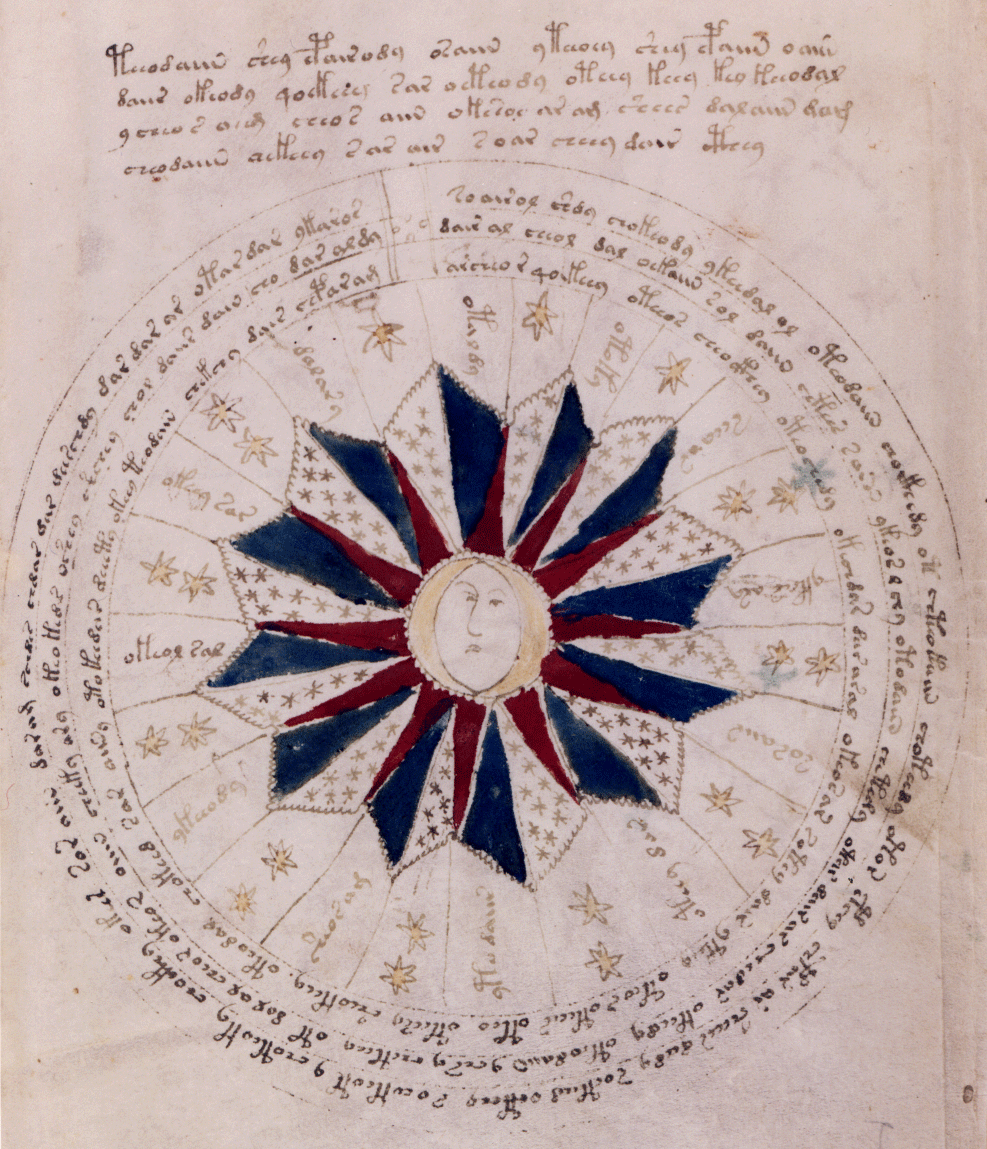
The Voynich Manuscript

The Voynich Manuscript

Wednesday 05.19.10
Posted by Cody Trepte
 
“

Paradoxology: the use of paradoxes


Artists associated with the use of paradoxes include Florentin Smarandache is known for his avant-garde movement “paradoxism” as a protest against the Romanian communist regime. Alexander Bard and Jan Söderqvist developed a “paradoxology” in their book Det globala imperiet (“The Global Empire”). The authors emphasize paradoxes between the world as static and as ever-changing, while leaning on loose allegories from quantum mechanics. One may also include the philosopher Derrida in a list of users of paradoxes. Derrida’s deconstructions attempt to give opposing interpretations of the same text by rhetoric arguments, similar to how lawyers in a court case may argue from the same text, the same set of laws that is, to reach opposite conclusions.

”
— Paradoxology
Sunday 05.16.10
Posted by Cody Trepte
 
Experiment

Experiment

Wednesday 05.05.10
Posted by Cody Trepte
 

Picture of the Day Archive →

Tuesday 05.04.10
Posted by Cody Trepte
 
“[…]
As for his feet, sometimes he wore on each a sock, or on the one a sock and on the other a stocking, or a boot, or a shoe, or a slipper, or a sock and a boot, or a sock and a shoe, or a sock and a slipper, or a stocking and boot, or a stocking and shoe, or a stocking and slipper, or nothing at all. And sometimes he wore on each a stocking, or on the one a stocking and on the other a boot, or a shoe, or a slipper, or a sock and a boot, or a sock and shoe, or a sock and slipper, or a stocking and boot, or a stocking and shoe, or a stocking and slipper, or nothing at all. And sometimes he wore on each a boot, or on the one a boot and on the other a shoe, or a slipper, or a sock and boot, or a sock and shoe, or a sock and slipper, or a stocking and boot, or a stocking and shoe, or a stocking and slipper, or nothing at all. And sometime he wore on each a shoe, or on the one a shoe and on the other a slipper, or a sock and boot, or a sock and shoe, or a sock and slipper, or a stocking and boot, or a stocking and shoe, or a stocking and slipper or nothing at all. And sometimes he wore on each a slipper, or on the one a slipper and on the other a sock and boot, or a sock and shoe, or a sock and slipper, or a stocking and boot, or a stocking and shoe, or a stocking and slipper, or nothing at all. And sometime he wore on each a sock and boot, or on the one a sock and boot and on the other a sock and shoe, or a sock and slipper, or a stocking and boot, or a stocking and shoe, or a stocking and slipper, or nothing at all. And sometimes he wore on each a sock and shoe, or on the one a sock and shoe and on the other a sock and slipper, or a stocking and boot, or a stocking and shoe, or a stocking and slipper, or nothing at all. And sometimes he wore on each a sock and slipper, or on the one a sock and slipper and on the other a stocking and boot, or a stocking and shoe, or a stocking and slipper, or nothing at all. And sometimes he wore on each a stocking and boot, or on the one a stocking and boot and on the other a stocking and shoe, or a stocking and slipper, or nothing at all. And sometime he wore on each a stocking and shoe, or on the one a stocking and shoe and on the other a stocking and slipper, or nothing at all. And sometimes he wore on each a stocking and slipper, or on the one a stocking and slipper and on the other nothing at all. And sometimes he went barefoot.
[…]”
— Samuel Beckett, from Watt [Olympia Press, 1953]
Tuesday 05.04.10
Posted by Cody Trepte
 

Kay Rosen: Sisyphus →

Tuesday 05.04.10
Posted by Cody Trepte
 

In Sara Mencken, Christ and Beethoveen there were men and women →

Friday 04.30.10
Posted by Cody Trepte
 
Alex Hubbard

Alex Hubbard

Friday 04.30.10
Posted by Cody Trepte
 
(nostalgia)

(nostalgia)

Thursday 04.29.10
Posted by Cody Trepte
 
Trisha Donnelly: Untitled I (Double Alpha), 2007

Trisha Donnelly: Untitled I (Double Alpha), 2007

Wednesday 04.28.10
Posted by Cody Trepte
 

Lojban: The Logical Language →

Tuesday 04.27.10
Posted by Cody Trepte
 

Send a letter to the future →

“Write the perfect original gift for someone. Write them a letter, recording your thoughts and feelings in a letter today, but have it posted, at a date you specify, into the future.”

Tuesday 04.27.10
Posted by Cody Trepte
 

Omega Point →

The Omega Point is a term used by Tulane University professor of physics and mathematics Frank J. Tipler to describe what he maintains is a physically-necessary cosmological state in the far future of the universe. According to his Omega Point Theory, as the universe comes to an end at a singularity in a particular form of the Big Crunch, the computational capacity of the universe (in terms of both its processor speed and memory storage) increases unlimitedly with a hyperbolic growth rate as the radius of the universe goes to zero, allowing an infinite number of bits to be processed and stored before the end of spacetime. Via this supertask, a simulation run on this universal computer can thereby continue forever in its own terms (i.e., in “experiential time”), even though the universe lasts only a finite amount of proper time. Tipler states this theory requires that the current known laws of physics are true descriptions of reality, which he says implies that there be intelligent civilizations in existence at the appropriate time in order to force the collapse of the universe and then manipulate its collapse so that the computational capacity of the universe can diverge to infinity.

Tuesday 04.27.10
Posted by Cody Trepte
 
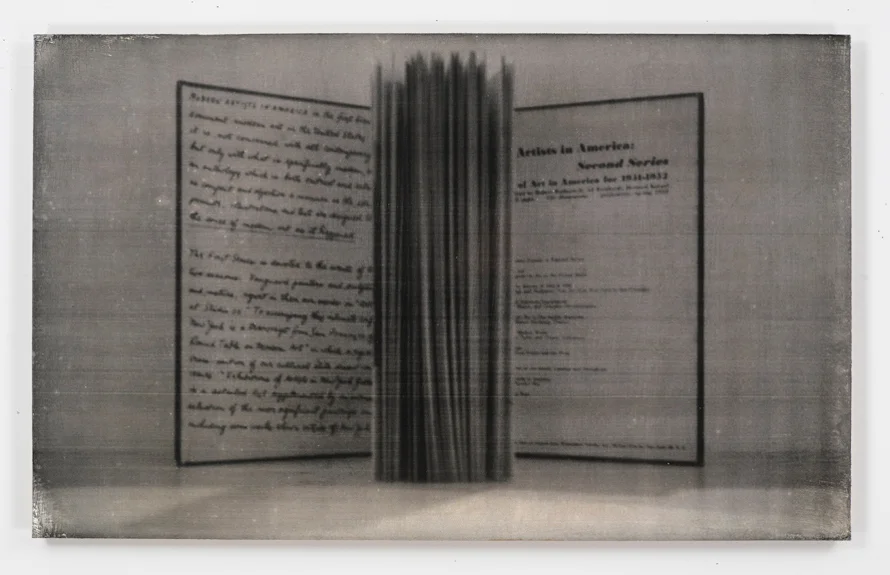
R. H. Quaytman at ICA Boston

R. H. Quaytman at ICA Boston

Tuesday 04.27.10
Posted by Cody Trepte
 

International Necronautical Society →

Tuesday 04.27.10
Posted by Cody Trepte
 

The Infinite Library →

Tuesday 04.27.10
Posted by Cody Trepte
 
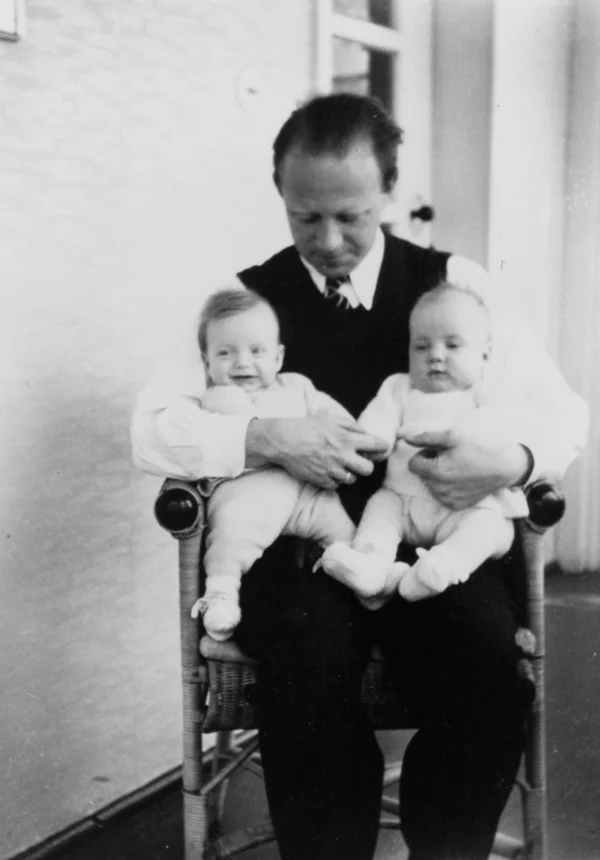
Werner Heisenberg with twins

Werner Heisenberg with twins

Monday 04.26.10
Posted by Cody Trepte
 

List of Paradoxes →

Monday 04.26.10
Posted by Cody Trepte
 
Newer / Older