by Simon Critchley
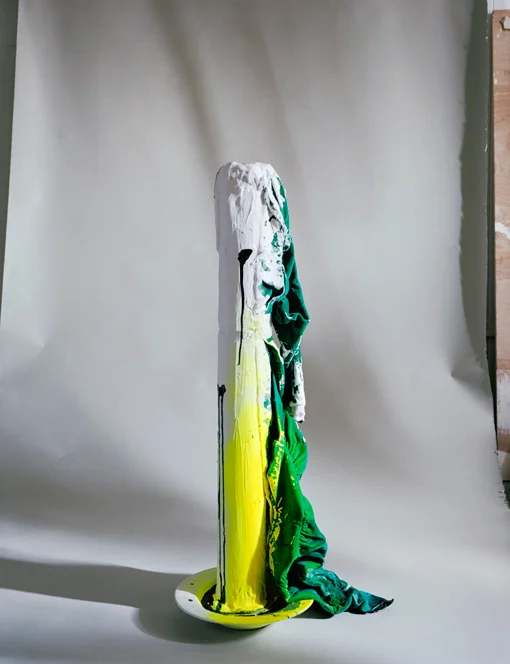
Little Flamer, 2010
Thanks Jonathan!
Hitchhiker's Guide to the Galaxy Interactive Video Game (1985) →
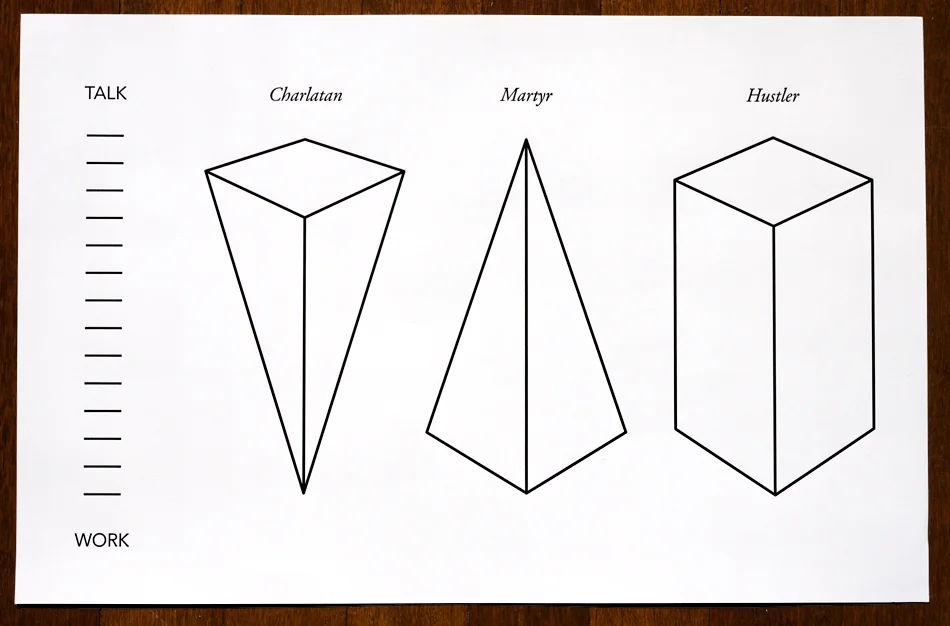
“…the number of fables or metaphors of which men’s imagination is capable is limited, but these few inventions can be all things for all men, like the Apostle.”

Borges and Aesthetics →
Powers of Ten (Charles and Ray Eames) →
The Known Universe →

Reverse Causality
Doomsday Argument
Doomsday Argument
If humanity is assumed to grow exponentially until it ends at some point in time (“doomsday”), then it is more likely to find a randomly selected human near the end of history than at the beginning. Hence, since we are alive today we can deduce that we are close to the end of history and use Bayesian reasoning to estimate the expected remaining time. The argument (which can be applied to many other things, such as the remaining time the Earth is inhabitable) is hotly debated, and involves many subtle assumptions of probability. [The argument originated by Brandon Carter and was published by John Leslie in The End of the World (Routledge 1996)]
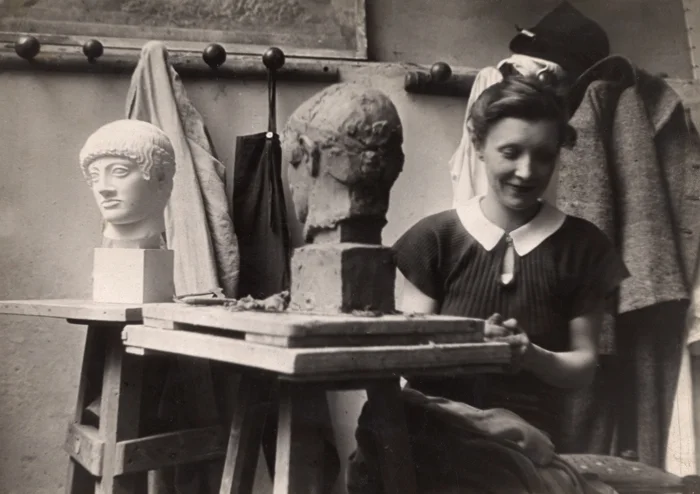
Louise Bourgeois (1911-2010)
“Paradoxology: the use of paradoxes
Artists associated with the use of paradoxes include Florentin Smarandache is known for his avant-garde movement “paradoxism” as a protest against the Romanian communist regime. Alexander Bard and Jan Söderqvist developed a “paradoxology” in their book Det globala imperiet (“The Global Empire”). The authors emphasize paradoxes between the world as static and as ever-changing, while leaning on loose allegories from quantum mechanics. One may also include the philosopher Derrida in a list of users of paradoxes. Derrida’s deconstructions attempt to give opposing interpretations of the same text by rhetoric arguments, similar to how lawyers in a court case may argue from the same text, the same set of laws that is, to reach opposite conclusions.
”
Experiment
Picture of the Day Archive →
“[…]
As for his feet, sometimes he wore on each a sock, or on the one a sock and on the other a stocking, or a boot, or a shoe, or a slipper, or a sock and a boot, or a sock and a shoe, or a sock and a slipper, or a stocking and boot, or a stocking and shoe, or a stocking and slipper, or nothing at all. And sometimes he wore on each a stocking, or on the one a stocking and on the other a boot, or a shoe, or a slipper, or a sock and a boot, or a sock and shoe, or a sock and slipper, or a stocking and boot, or a stocking and shoe, or a stocking and slipper, or nothing at all. And sometimes he wore on each a boot, or on the one a boot and on the other a shoe, or a slipper, or a sock and boot, or a sock and shoe, or a sock and slipper, or a stocking and boot, or a stocking and shoe, or a stocking and slipper, or nothing at all. And sometime he wore on each a shoe, or on the one a shoe and on the other a slipper, or a sock and boot, or a sock and shoe, or a sock and slipper, or a stocking and boot, or a stocking and shoe, or a stocking and slipper or nothing at all. And sometimes he wore on each a slipper, or on the one a slipper and on the other a sock and boot, or a sock and shoe, or a sock and slipper, or a stocking and boot, or a stocking and shoe, or a stocking and slipper, or nothing at all. And sometime he wore on each a sock and boot, or on the one a sock and boot and on the other a sock and shoe, or a sock and slipper, or a stocking and boot, or a stocking and shoe, or a stocking and slipper, or nothing at all. And sometimes he wore on each a sock and shoe, or on the one a sock and shoe and on the other a sock and slipper, or a stocking and boot, or a stocking and shoe, or a stocking and slipper, or nothing at all. And sometimes he wore on each a sock and slipper, or on the one a sock and slipper and on the other a stocking and boot, or a stocking and shoe, or a stocking and slipper, or nothing at all. And sometimes he wore on each a stocking and boot, or on the one a stocking and boot and on the other a stocking and shoe, or a stocking and slipper, or nothing at all. And sometime he wore on each a stocking and shoe, or on the one a stocking and shoe and on the other a stocking and slipper, or nothing at all. And sometimes he wore on each a stocking and slipper, or on the one a stocking and slipper and on the other nothing at all. And sometimes he went barefoot.
[…]”