
by Anthony Huberman
Does Infinity Exist? →
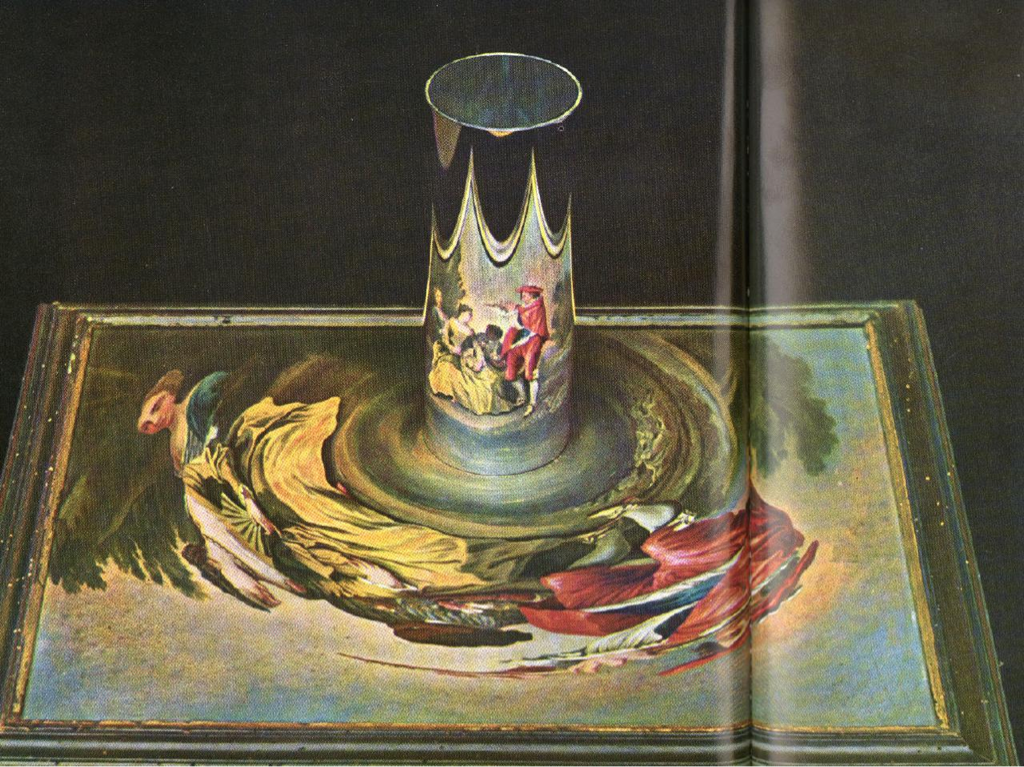
“Learning languages is a physical pleasure. Words are somehow personal and uncanny. My best story is “The Book of Sand,” with no beginning or end. We do not read to discover the end. After all, people reread stories, so it is impossible to believe they read to discover how they will end.”
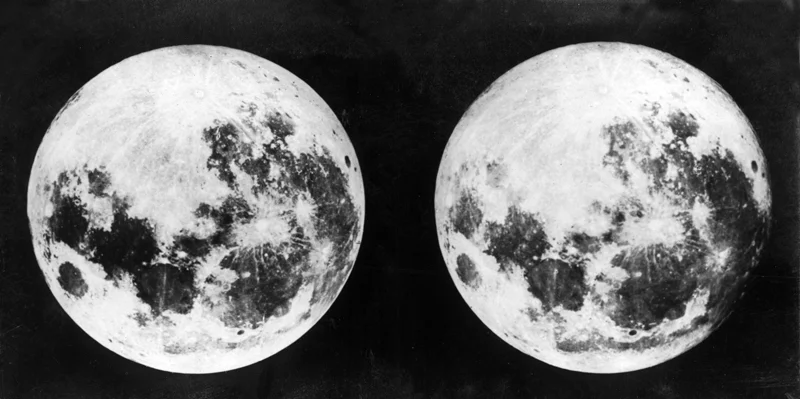
“The Higgs field implies that otherwise seemingly empty space is much richer and weirder than we could have imagined even a century ago, and in fact that we cannot understand our own existence without understanding “emptiness” better. Readers of mine will know that as a physicist, I have been particularly interested in “nothing” in all of its forms and its relation to something—namely us. The discovery of the Higgs says that “nothing” is getting ever more interesting.”
“If modernism in literature may be defined as a realism of the unrepresentable, then the Wake turns out to be a proof of realism’s impossibility, of the insufficiency of the instruments of mimesis to capture, convey, or even accurately suggest the measureless surreality of dreams.”
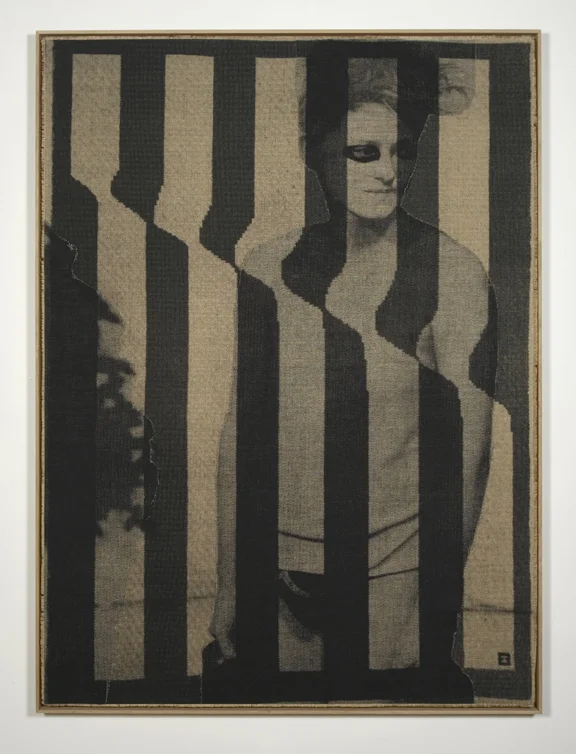
David Noonan, Untitled, 2009
Silkscreen on linen collage
154 x 146 cm. / 61.4 x 57.5 in.
I (not love) Information →
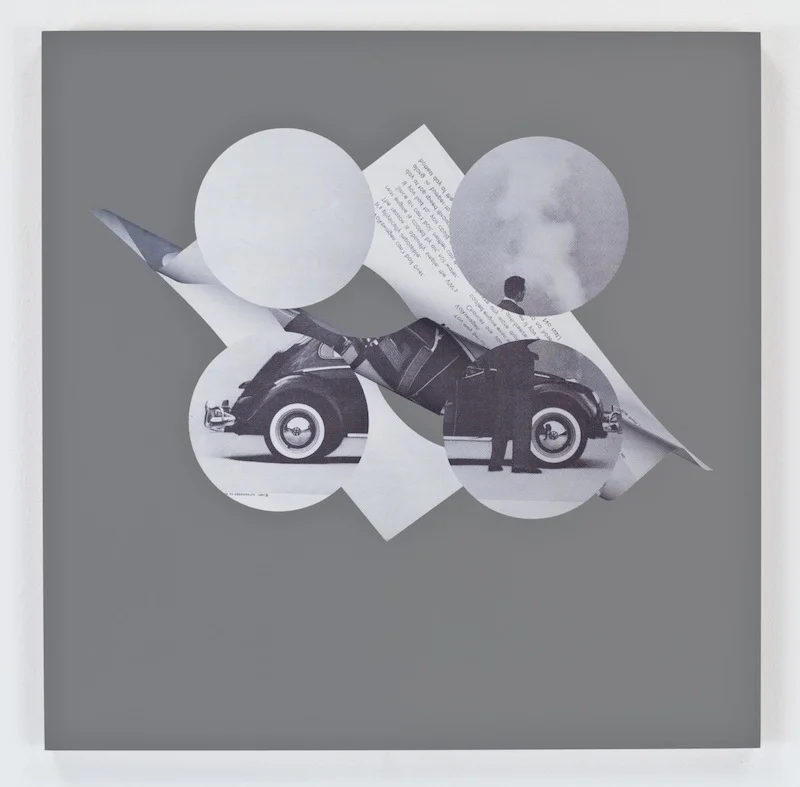
Kelley Walker, Untitled, 2011-2012,
Pantone and four-color process silkscreen with acrylic ink on mdf, Composed of a suite of195 panels, 166 panels : 40,64 x 40,64 cm (16 x 16 inches) – 29 panels : 60,96 x 60,96 (24 x 24 inches) – Overall : Dimensions variable.
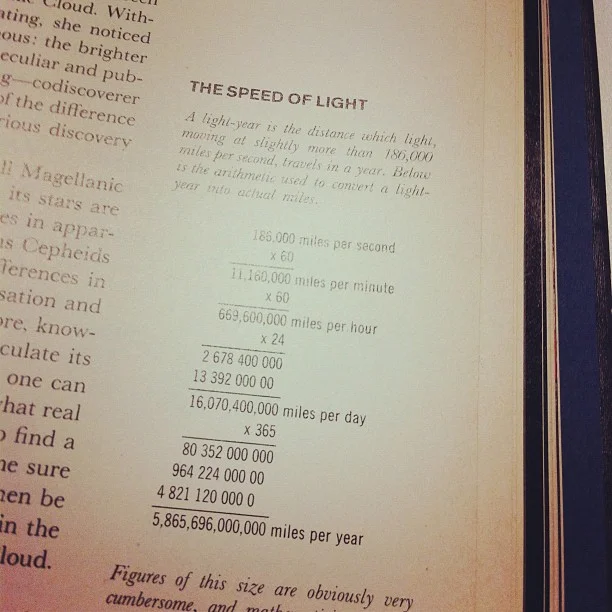
Starting over (Taken with Instagram)
“I’ve been very interested in the last year or so in the phenomenon of disgust as an aesthetic concept. It’s interesting that the concepts of disgust and monstrosity have a strange role in a text like Aristotle’s Poetics and in Kant’s Critique of Judgment. There is a line drawn between the sublime, which is almost too much, and the monstrous which is absolutely too much, and we have to protect ourselves against the absolutely too much because if that intervenes in the aesthetic arena it will lead to disgust. And I guess at this point, the beginning of February 2012, I’m very interested in reclaiming or rethinking that extremity of affect, of disgust, in relation to monstrosity, which, of course, is a way of thinking about the entire history of the avant-garde over the last 100 years. There’s a quotation from Bacon where he’s asked about the violence of what he does and he says well I don’t think it is violent, or if it is violent it’s about thinking through a greater violence which is the violence of the screens in which we find ourselves surrounded, and it seems to me we find ourselves screened and secluded in informational cells and part of the function of art is to try and break through that. I mean Nauman says a work of art is like a blow to the back of the neck, I’d like to see a bit more of that. What that might mean? I’m not sure, but to go back to some of that physical and intellectual extremity which seems to have been lost.”
Dialetheism →
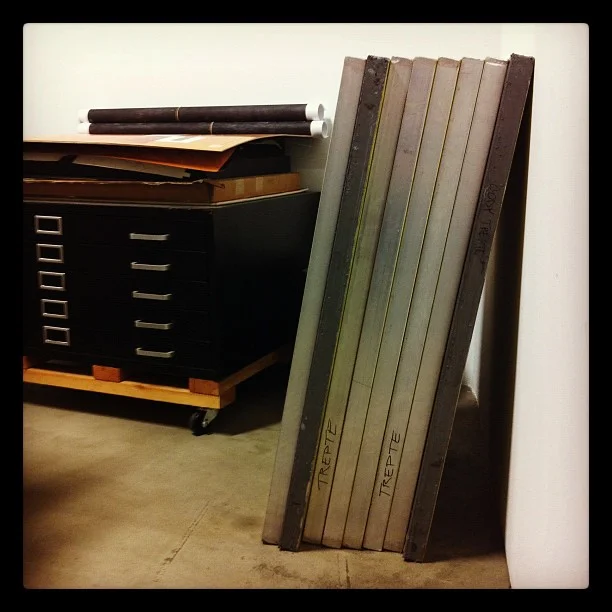
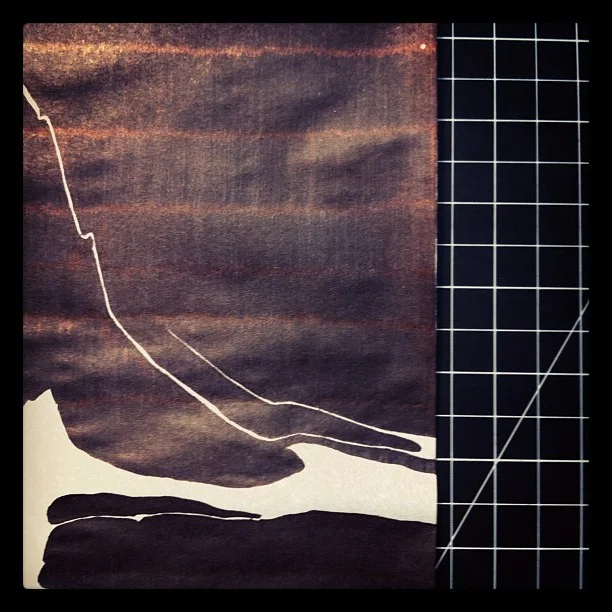
“Left of Standing
His precision and accuracy
suggesting clean cuts, leaving
a vacancy, a slightly physical
depression as though I had been
in a vaguely uncomfortable place
for a not long but undeterminable
period; not waiting.
Standing or Left Standing
His preciseness and acuity left
small cuts on the tips of my
fingers or across the backs of
my hands without any need to
sit or otherwise withdraw.”