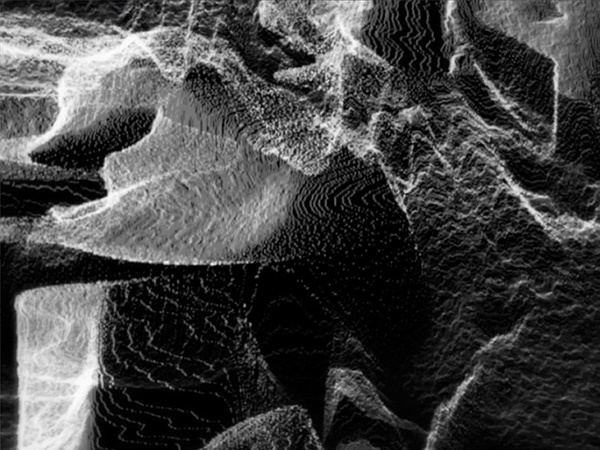
Emily Wardill, The Palace, 2013
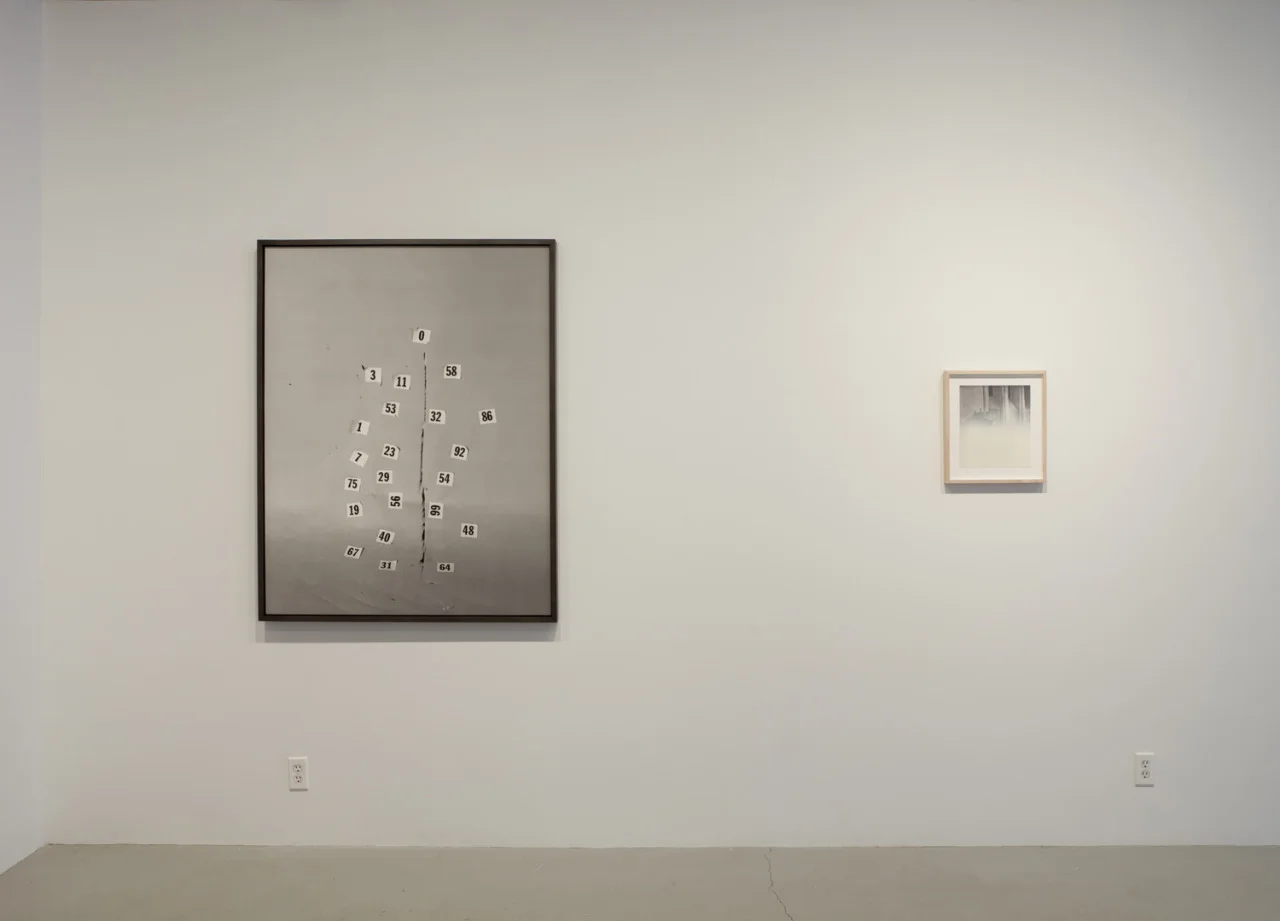
It’s When It’s Gone That You Really Notice It at Simone Subal
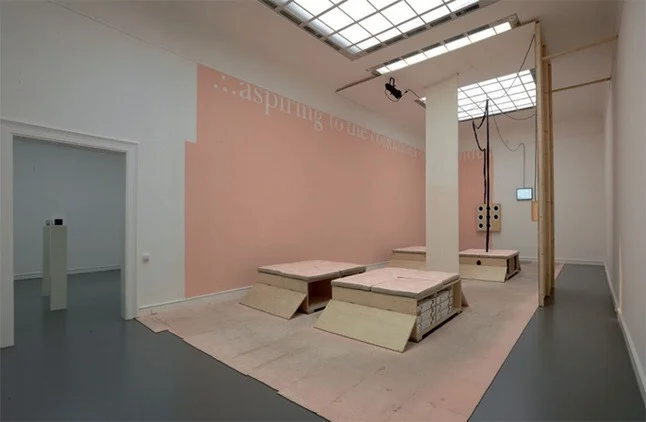
Stephen Prina: The Second Sentence of Everything I Read Is You

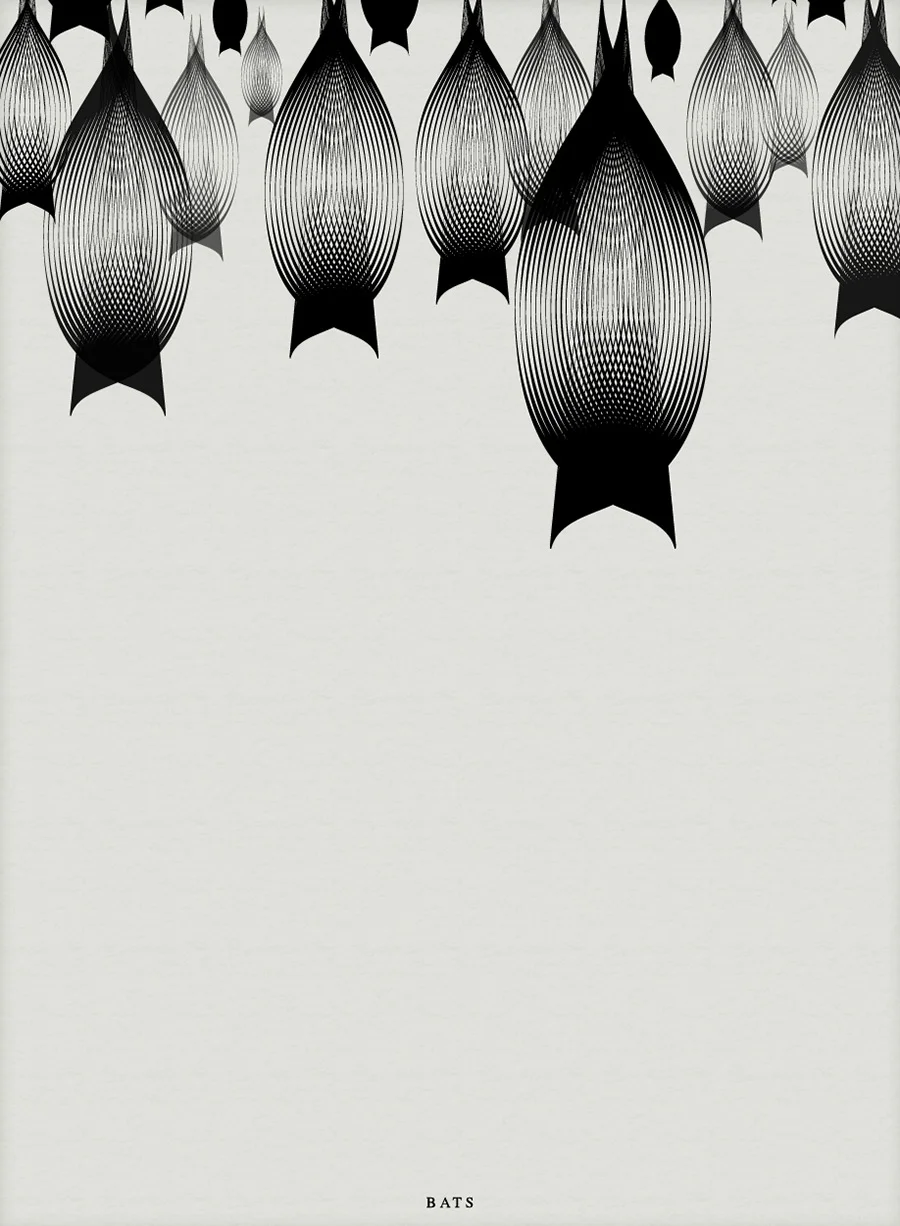
Animals in Moiré by Andrea Minini
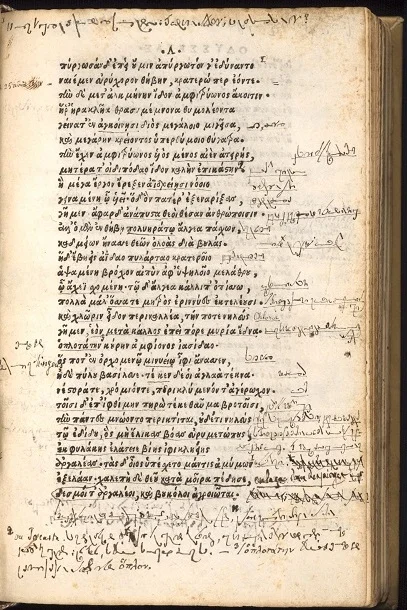
From the University of Chicago Library (via Language Log):
Calling all historians of cryptography and stenography, Sherlockians (see “The Dancing Men”), and other amateur detectives! The collection of Homer editions in the Special Collections Research Center – the Bibliotheca Homerica Langiana(BHL) – includes a copy of the rare 1504 edition of Homer’s Odyssey that contains, in Book 11 (narrating Odysseus’s journey into Hades) handwritten annotations in a strange and as-yet unidentified script. This marginalia appearsonly in the pages of Book 11 of the Odyssey; nowhere else in the volume. Although the donor of the BHL is suspicious that this odd script is a form of 19th-century shorthand (likely French), he acknowledges that this hypothesis remains unsupported by any evidence offered to date.
The donor of the BHL is offering a prize of $1,000 to the first person who identifies the script, provides evidence to support the conclusion, and executes a translation of selected portions of the mysterious marginalia. In addition to the photographs in this post, the volume is available to consult in person in the Special Collections reading room. Please visit the Special Collections website for information about requesting items to get started. The contest is open to all, regardless of University of Chicago affiliation. Please direct submissions to the contest, or questions, to Alice Schreyer, Assistant University Librarian, Humanities and Social Sciences and Rare Books Curator, orCatherine Uecker, Rare Books Librarian.
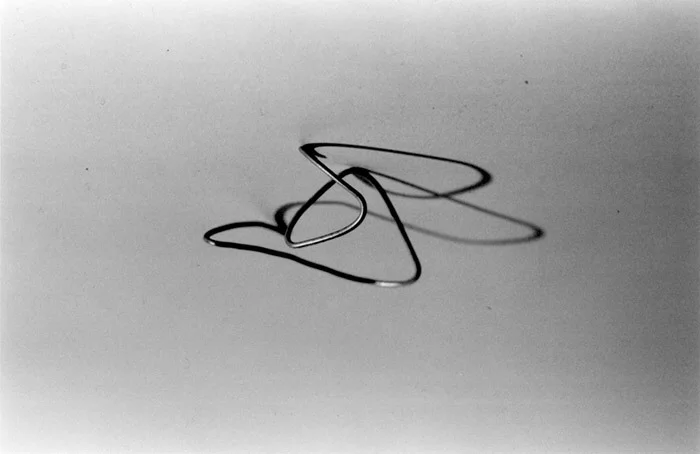
Fay Nicolson, Untitled (form series ‘Marginal Notes’), 2012
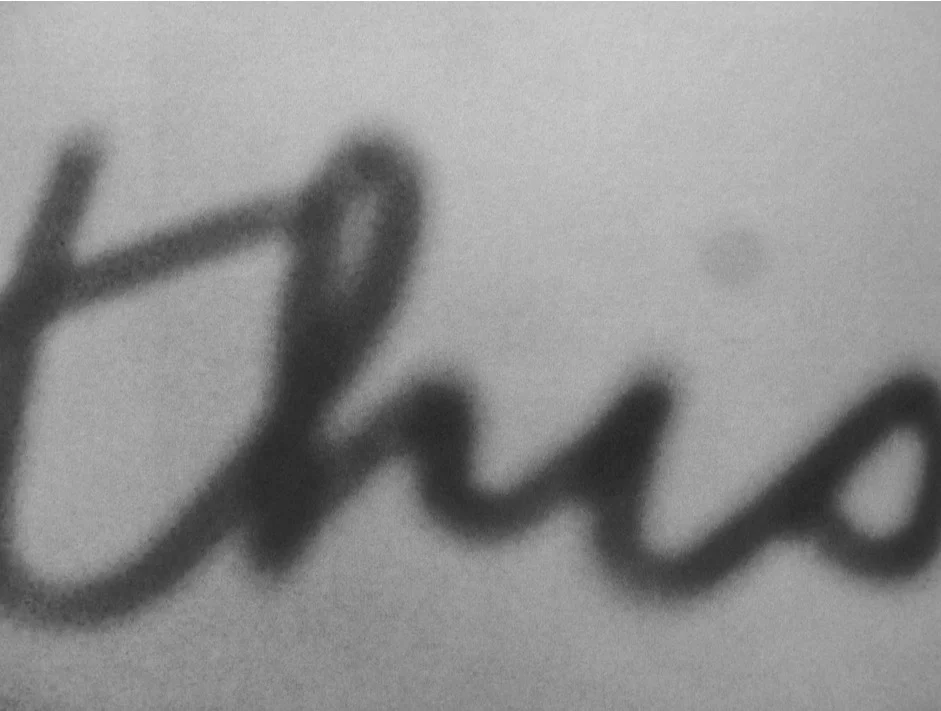
Lutz Bacher “this / that,” 1977
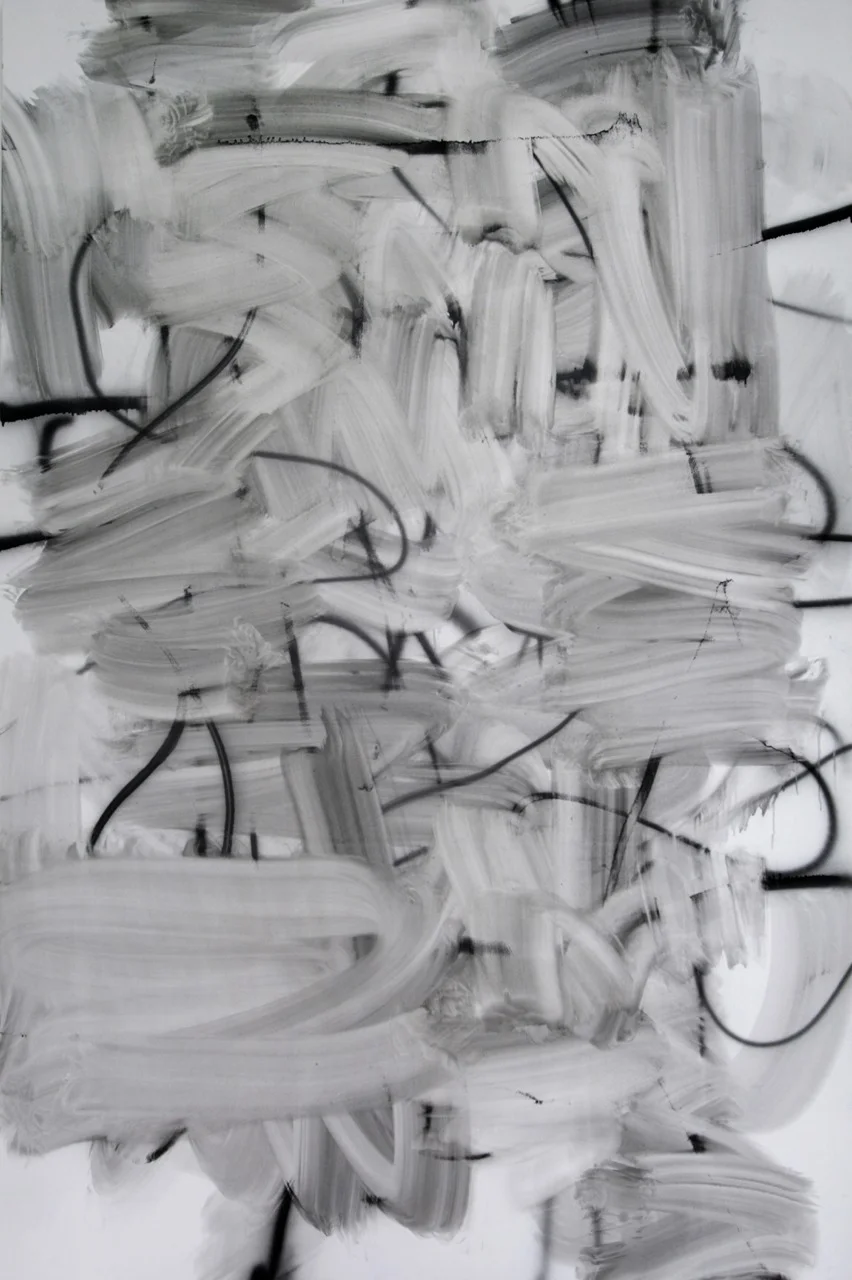
Christopher Wool
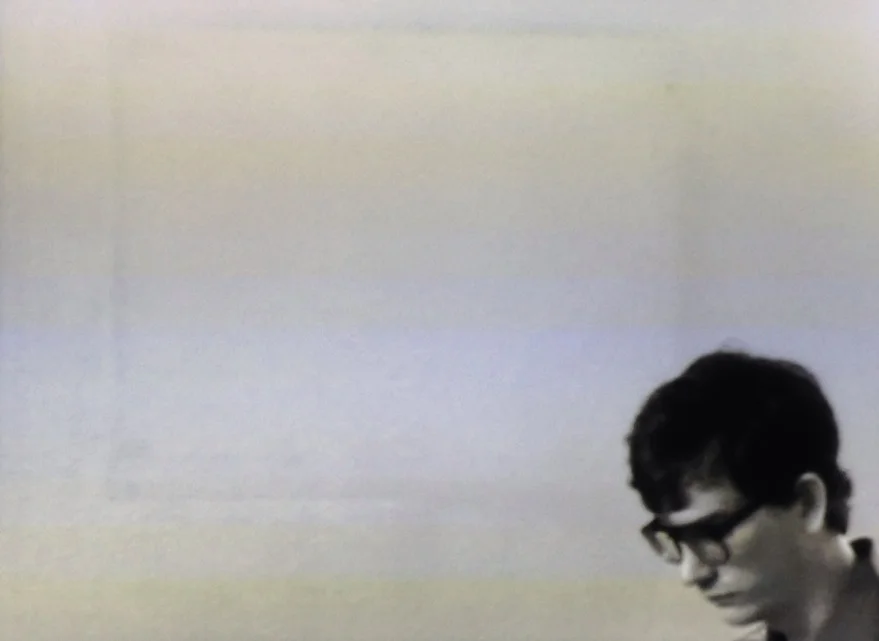
Computer Chess
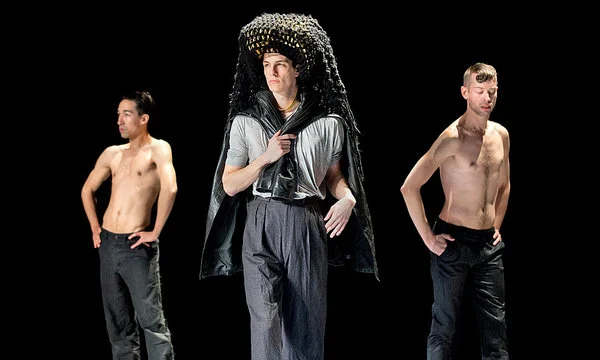
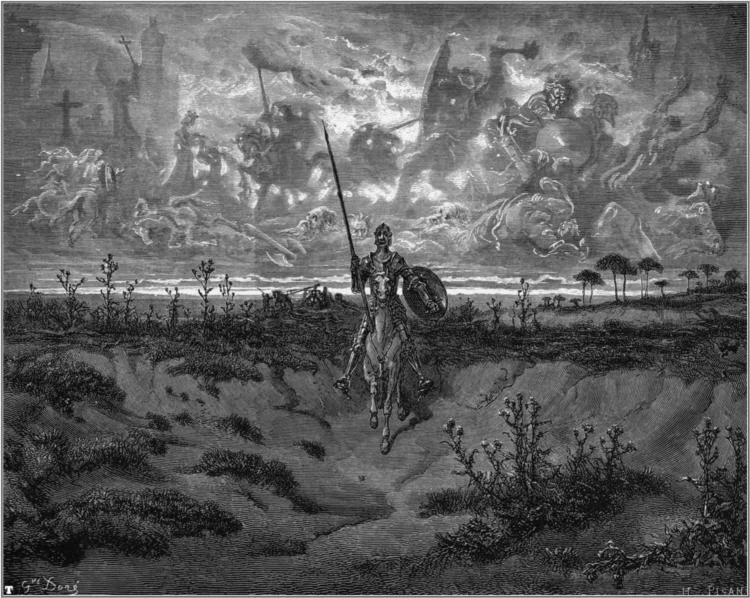
“Music and literature were deeply important to Kolmogorov, who believed he could analyze them probabilistically to gain insight into the inner workings of the human mind. He was a cultural elitist who believed in a hierarchy of artistic values. At the pinnacle were the writings of Goethe, Pushkin, and Thomas Mann, alongside the compositions of Bach, Vivaldi, Mozart, and Beethoven—works whose enduring value resembled eternal mathematical truths. Kolmogorov stressed that every true work of art was a unique creation, something unlikely by definition, something outside the realm of simple statistical regularity. “Is it possible to include [Tolstoy’s War and Peace] in a reasonable way into the set of ‘all possible novels’ and further to postulate the existence of a certain probability distribution in this set?” he asked, sarcastically, in a 1965 article.”
nautil.us
Josef Strau
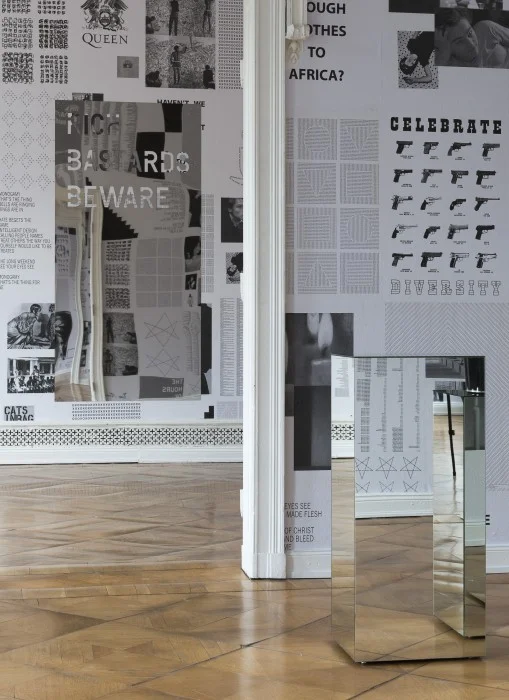
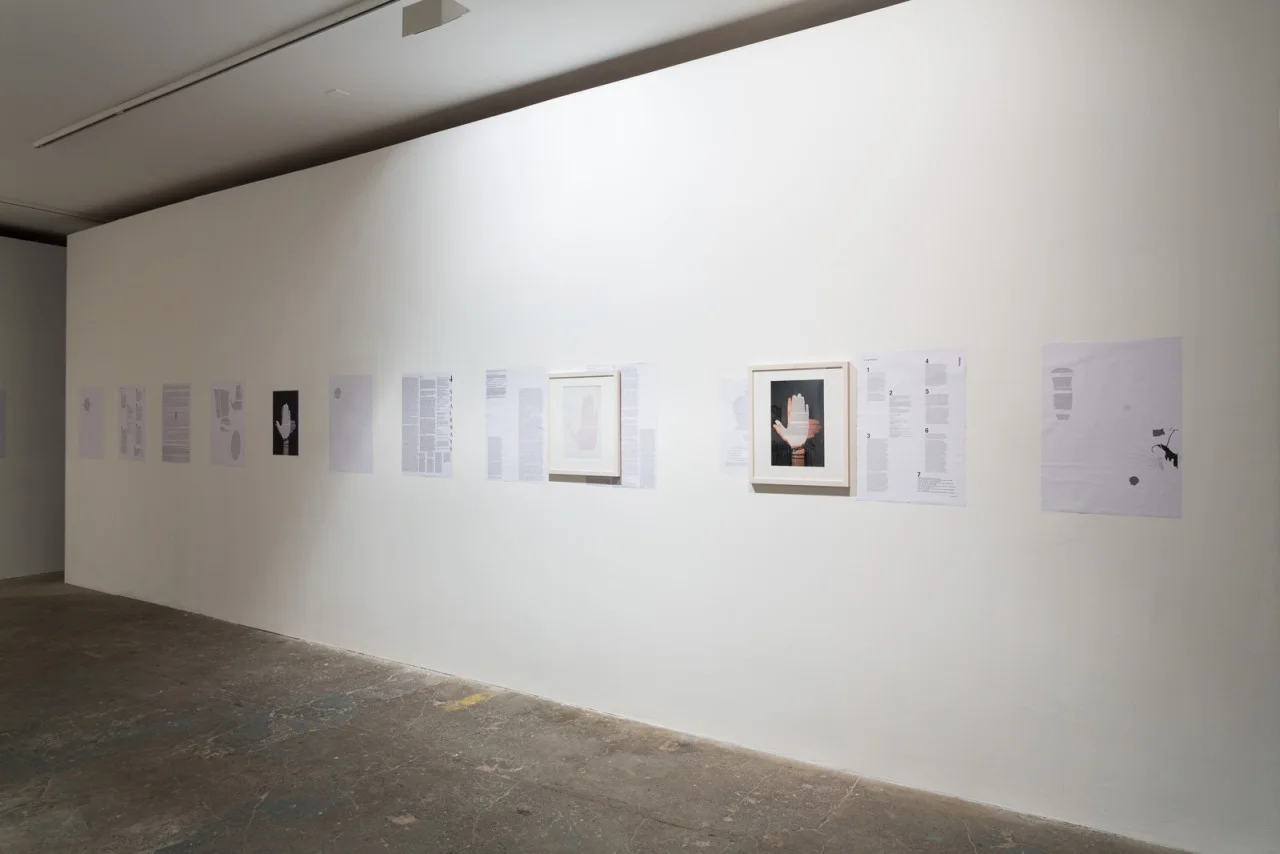
Installation view of My Divid'ed House at Vilma Gold
“0= 1-1
What might it represent? That 1 and -1 add up to zero, of course.
But that is interesting. Picture the reverse of the process: not 1 and -1 coming together to make 0, but 0 peeling apart, as it were, into 1 and -1. Where once you had Nothing, now you have two Somethings! Opposites of some kind, evidently. Positive and negative energy. Matter and antimatter. Yin and yang.
Even more suggestively, -1 might be thought of as the same entity as 1, only moving backward in time. This is the interpretation seized on by the Oxford chemist (and outspoken atheist) Peter Atkins. “Opposites,” he writes, “are distinguished by their direction of travel in time.” In the absence of time, -1 and 1 cancel; they coalesce into zero. Time allows the two opposites to peel apart-and it is this peeling apart that, in turn, marks the emergence of time. It was thus, Atkins proposes, that the spontaneous creation of the universe got under way.
”

Sreshta Rit Premnath
Toners, Dyes, 2011
acrylic paint and inkjet print on mirrored mylar, 5 parts, each 213 x 61 cm
“On one hand, I got seduced by it at an early age because it’s so elegant, this infinite hierarchy of infinites. On the other hand, I think that it’s not real in the sense that I don’t think that there’s anything truly infinite in our physical world.
Moreover, assuming the infinite has caused many of the worst problems in physics right now. One of the biggest problems we have in cosmology is called the measure problem, which prevents us from predicting anything rigorously. It comes from the assumption that space can be stretched out ad infinitum. Space is truly continuous. If that were really true, to even measure the distance between two points, you would need to write out a real number like 5.732… with infinitely many decimals, yet we’ve never measured any number better than 17 decimals. That’s a pretty far cry from infinity!
Most of the stuff I teach at MIT which assumes infinity we even know is wrong. When I calculate why it is that you can hear me by using the equation for sound waves, it assumes that air is continuous, that at infinitely many points in the air there is this pressure you can measure there. But we know it’s wrong because air is made of atoms. It’s much more convenient to make that continuum approximation than to deal with all those pesky atoms.
My guess is that we will ultimately discover some other mathematical description of the Universe which is infinity-free and find that all this infinite math that we’re using today is just a really convenient approximation.
”

Shannon Ebner
“Naturalness is a temporal illusion: like seasons, things seem static because we don’t notice them changing, and when they do change, there is a rough predictability to the way they do so. Horror and disgust arise whenever that neat aesthetic frame breaks.”